Why Good Leadership Matters More Than Ever
Every nation is shaped by two powerful forces: politics and government. While these terms are often used interchangeably, they have distinct meanings and roles in society. Understanding the difference between them is essential for anyone who cares about the future of their country.
Politics vs. Government: What’s the Difference?
Politics is the process through which decisions are made, leaders are chosen, and public policies are debated. It involves relationships, discussions, campaigns, ideologies, and the pursuit of common goals within society.
Government, on the other hand, is the group of individuals entrusted with the authority to manage a nation, implement laws, and provide direction for the country. Simply put, politics is the process, while government is the institution that emerges from that process.
Politics Is Everywhere
Many people associate politics only with politicians, elections, and government offices. However, politics exists in every organization, workplace, community, and institution where decisions are made and leadership is exercised.
Whether it’s a board of directors, a school administration, or a national parliament, politics plays a crucial role in shaping outcomes and influencing the lives of people.
The Relationship Between Society and Power
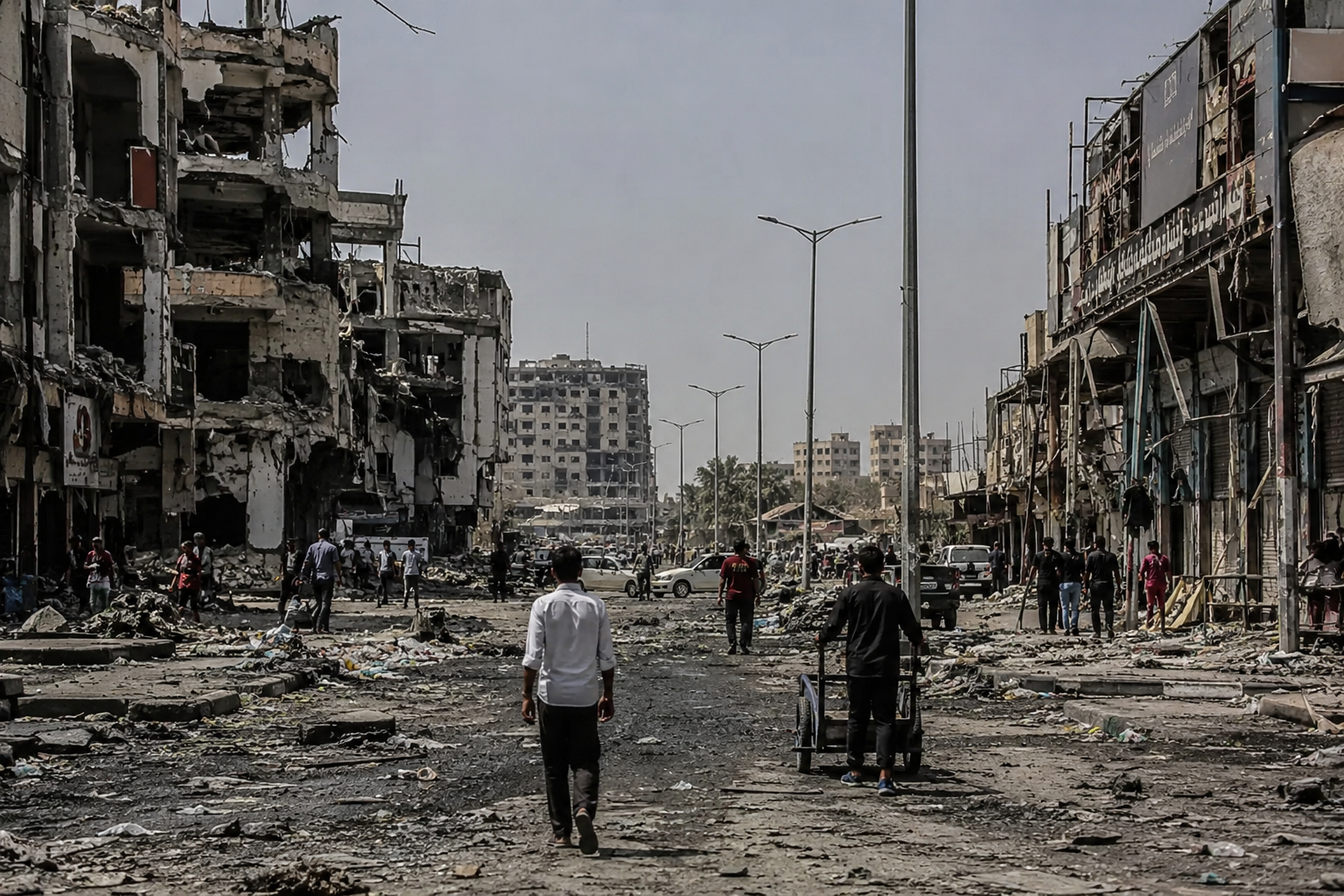
Throughout history, scholars have debated the nature of power, governance, and the role of the state. During times of peace, political systems often appear stable. However, during periods of crisis, war, revolution, or social unrest, the true strength and weaknesses of governments become more visible.
These moments reveal how closely society and government are connected and how leadership decisions can impact the lives of millions.
The Challenge of Corruption
One of the greatest threats to any nation is corruption. Citizens often place their trust in leaders who make promises of progress, development, and prosperity. Unfortunately, some leaders abandon these commitments after gaining power and instead focus on personal gain.
Corruption weakens institutions, misuses public resources, damages trust, and slows national development. When leaders prioritize selfish interests over public service, ordinary citizens are often the ones who suffer the most.
Why Nations Need Ethical and Competent Leaders
The future of any country depends largely on the character, wisdom, and competence of its leaders. Effective governance requires individuals who possess integrity, accountability, education, and a genuine commitment to serving the people.
Leaders who value justice, honesty, and public welfare can create policies that foster economic growth, social stability, and national progress. In contrast, unethical leadership can lead to division, poverty, and declining public trust.
A Call for Responsible Leadership
A healthy political system requires more than elections—it requires informed citizens, transparent institutions, and leaders who place the interests of the nation above personal ambition.
As societies continue to face complex challenges, the demand for ethical, responsible, and visionary leadership has never been greater. The future belongs to nations that cultivate leaders who serve with integrity and govern with wisdom.
Final Thoughts
Politics and government are not just subjects for politicians; they affect every aspect of daily life. When politics is guided by accountability and government is led by principled individuals, nations can thrive. The path to a better future begins with leadership that serves the people, protects justice, and works tirelessly for the common good.