

Why the Fight Against Violence Must Begin with Security and Opportunity
Around the world, millions of people dream of a future where every child has access to quality education, safety, and equal opportunities. Yet, despite decades of global campaigns promoting “Education for All,” countless children and adults remain locked out of learning because of one devastating reality: insurgency and insecurity.
Understanding Insurgency and Insecurity
Insurgency refers to an organized rebellion against a recognized government, often carried out by groups seeking to challenge state authority through violence and disruption.
Insecurity, on the other hand, is the condition of living under constant fear, uncertainty, danger, or lack of protection. Together, insurgency and insecurity create an environment where communities struggle to survive, let alone thrive.
How Violence Destroys Education
Education is often one of the first casualties of conflict.
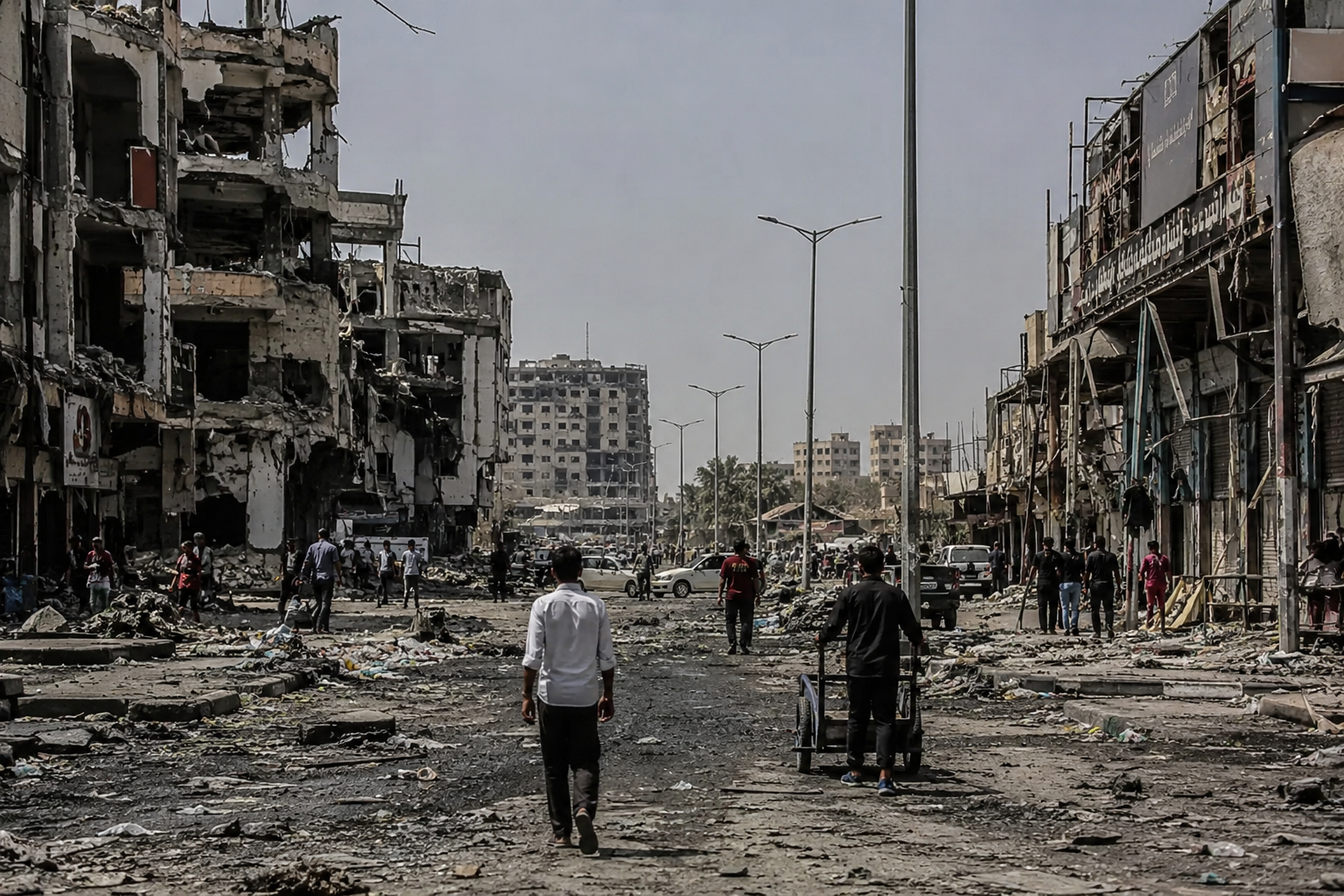
Across many regions, schools have been attacked, burned, destroyed, or forced to close due to violent activities. Teachers and students become targets, families are displaced, and entire communities are uprooted.
When schools shut down, children lose more than classrooms—they lose opportunities, hope, and the chance to build a better future. The effects can last for generations.
Terrorism and Its Impact on Society
Terrorism is another major driver of insecurity. Violent extremist groups use fear and destruction to pressure governments and intimidate populations.
These attacks often target civilians, public infrastructure, and educational institutions, creating widespread fear and disrupting daily life. Beyond physical destruction, terrorism damages economic growth, social stability, public health, and community trust.
The Human Cost of Insurgency
The consequences of insurgency extend far beyond the battlefield. They affect every aspect of human security, including:
– Access to food and nutrition
– Healthcare services
– Safe shelter and housing
– Quality education
– Personal safety and protection
Families are displaced, livelihoods are lost, and innocent lives are often caught in the crossfire. The result is a cycle of poverty, instability, and underdevelopment.
Why Schools Become Targets
Educational institutions often become targets because they symbolize government presence, progress, and empowerment.
Insurgent groups understand that education shapes future generations. By attacking schools, they create fear, weaken communities, and undermine public confidence in government institutions.
The damage is not only physical—it is psychological, affecting students, parents, teachers, and entire communities.
Security Must Come Before Reconstruction
When conflict damages schools and infrastructure, rebuilding classrooms is important. However, rebuilding security must come first.
Without adequate protection, newly reconstructed schools and facilities remain vulnerable to future attacks. Sustainable recovery requires safe communities where children can learn without fear and families can rebuild their lives.
Key Solutions to End Insurgency and Insecurity
Experts emphasize three critical actions:
1. Stronger Monitoring Systems
Governments and international organizations must improve surveillance, intelligence gathering, and early warning systems to identify threats before they escalate.
2. Preventive Measures and Rapid Response
Security agencies should be equipped to prevent attacks and respond swiftly when incidents occur.
3. Justice and Accountability
Those responsible for violence and attacks on civilians, schools, and public infrastructure must be held accountable through effective legal systems.
Additional Measures for Lasting Peace
To reduce the risk of radicalization and strengthen national security, governments should also consider:
– Creating rehabilitation and reintegration programs for former security personnel.
– Expanding education, vocational training, and career opportunities for discharged service members.
– Promoting equal opportunities and economic inclusion for all citizens.
– Reducing unnecessary barriers that discourage honest and productive members of society from contributing positively to national development.
The Path Forward
The battle against insurgency and insecurity cannot be won through military action alone. It requires investment in education, economic opportunity, justice, community development, and effective governance.
A secure nation is one where children can learn freely, families can prosper safely, and citizens can pursue their dreams without fear. By strengthening security, promoting equal opportunities, and protecting education, societies can break the cycle of violence and build a future founded on peace, stability, and progress.
Final Thoughts
Education remains one of the most powerful tools for transforming nations. Protecting schools, communities, and citizens from violence is not merely a security priority—it is an investment in the future of humanity. When security is restored, education can flourish, and when education flourishes, nations can rise above conflict and build lasting peace.





This article provides clear idea for public safety, and it is a powerful tool for the peace of all nations.